The Growth of At-Home Paternity Testing: Reliability, Discretion, and Accessibility
The rise of residential paternity testing highlights a notable transformation in how people navigate parentage verification. With precision levels often exceeding 99%, these assessments provide a practical means for collecting DNA samples. However, persistent privacy concerns about personal genetic information are still widespread. As a growing number of families evaluate these tests, they must consider the consequences of accuracy, privacy, and emotional consequences. What elements should they focus on in their decision-making process?
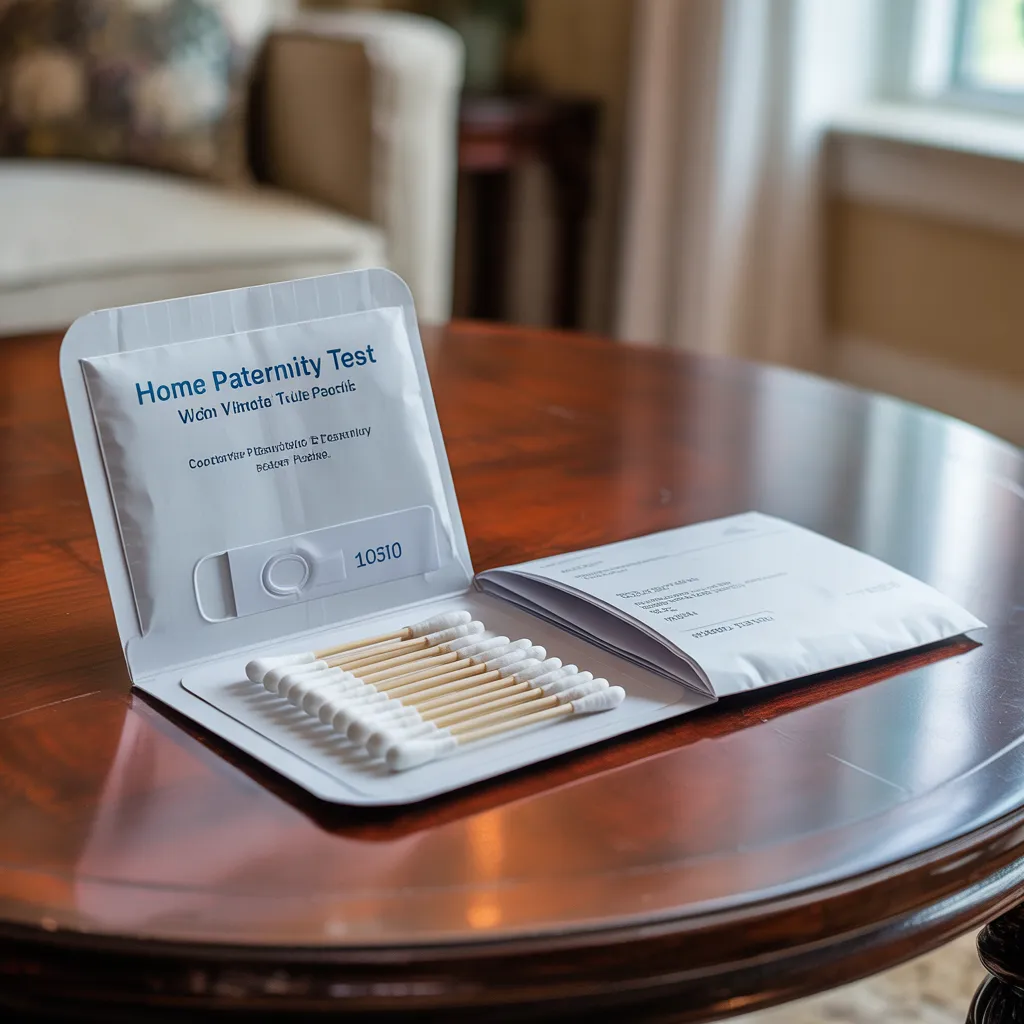
How Do Home Paternity Testing Kits Work?
Residential paternity tests commonly work through a straightforward process that involves gathering DNA specimens. People are provided with a test kit that includes swabs for collecting cheek cells, generally from the alleged father and the child in question. Individuals are directed to carefully swab the interior of their cheeks so as to obtain enough DNA for testing. After collecting the samples, they are stored in specified collection vessels and sent to a laboratory for analysis.
Within the lab, the DNA is isolated and studied to pinpoint particular genetic indicators. This evaluation matches the DNA profiles of the child and the alleged father to confirm paternal relationship. Findings are typically ready within a few days, and the method is crafted to be user-friendly, guaranteeing little inconvenience. The ease of at-home testing resonates with many people, permitting individuals to obtain clarity in the privacy of their own environment. This process underscores the assessment's rising demand as a dependable choice for establishing paternal identity.
What Is the Accuracy of Home Paternity Tests?
What level of accuracy do home paternity tests provide in establishing biological relationships? In most cases, these tests are reported to deliver a high accuracy rate, commonly exceeding 99% when administered under the right conditions. The process involves analyzing DNA specimens from the presumed father, child, and in some instances the mother, matching genetic markers to determine a relationship. That said, the precision of these tests can be compromised by issues like sample contamination or inadequate handling practices.
The majority of home tests utilize cutting-edge approaches similar to those found in professional labs, yet they may be without the rigorous supervision associated with professional testing. Furthermore, results can fluctuate between different brands or kits, highlighting the significance of identifying a trusted supplier. While home paternity tests can provide a strong indication of familial relationships, individuals should approach them with caution, considering that serious legal and personal consequences may stem from the findings. At the end of the day, for complete confidence, seeking guidance from an accredited lab is advisable.
What Are the Privacy Concerns?
Although home paternity tests provide a practical method for confirming familial biological ties, they simultaneously present significant privacy concerns. The collection and handling of genetic material, often in the form of cheek swabs or saliva samples, can lead to unlawful access or exploitation. Numerous providers fail to ensure the security of collected samples, exposing individuals to the risk of security breaches and data exposure.
In addition, the results may be distributed to third parties without express consent, intensifying worries of stigmatization or bias. Customers may also be not fully aware of how their genetic data will be retained or potentially used for research purposes.
Furthermore, the emotional implications connected to unanticipated findings can create additional challenges within the privacy landscape. Taken together, while such tests offer simplicity and widespread availability, the lack of stringent regulations and transparency in data handling brings forth significant concerns about personal rights regarding data privacy and autonomy over their personal genetic data.
How Do Test Results Affect Emotions?
The psychological impact from paternity test results can be profound and far-reaching. Individuals may experience a range of reactions, ranging from happiness and relief to resentment and heartbreak. For some, a positive match can affirm long-held beliefs, fostering a bond of trust and reassurance. Conversely, a negative result may lead to a sense of confusion, disbelief, and sorrow, particularly if a family relationship is called into question.
Such feelings may check now reach beyond the person affected to affect bonds within the family unit. Mothers and fathers might struggle with fear and guilt regarding the impact on their kids, while siblings could encounter alterations in their understanding of family structure. Additionally, societal stigma may intensify these emotions, as people manage the social pressures related to parenthood. Ultimately, the psychological impact of paternity testing outcomes differs considerably, emphasizing the complicated connection between personal identity, trust, and mental health.
Key Factors for Choosing a Home Paternity Test
Working through the emotional landscape in the wake of paternity test results frequently causes people to consider their options thoughtfully, particularly when selecting a home paternity test. Multiple essential factors warrant consideration to ensure a trustworthy and positive outcome.
Initially, accuracy is paramount; users should pursue tests that demonstrate strong sensitivity and specificity ratings. Additionally, simplicity of use is fundamental; a straightforward collection process can alleviate stress. Data protection is also a critical factor; credible firms are expected to secure the careful handling of sensitive data and results.
Expense is also a key factor; potential users should weigh the price against the test's credibility and support services. Finally, client feedback and testimonials offer valuable perspectives from previous users, offering guidance in maneuvering through options. By evaluating these factors, individuals can make informed choices that align with their needs and expectations.
Common Questions and Answers
Are At-Home Paternity Tests Accepted as Legal Evidence in Court?
Home paternity tests are commonly inadmissible in court due to concerns about accuracy and the lack of standardized procedures. Courts typically require testing performed by accredited laboratories to be considered credible legal proof in paternity proceedings.
How Long Do Home Paternity Test Results Take?
Results from home paternity tests generally take between three to five days to be processed. Some companies offer expedited services, shortening the processing time to just 24 hours, depending on the specific testing method used.
Is Retesting an Option if I'm Uncertain About My Results?
Indeed, people can take the test again if not confident in the outcome. It's advisable to pause briefly before retesting to ensure precise outcomes. Consulting a professional can also provide guidance on the most appropriate course of action.
Which Samples Are Required for At-Home Paternity Tests?
Home paternity tests typically require cheek swabs from the child as well as the potential father, although some kits may also accept blood specimen samples. Appropriate collection and proper handling of such samples are vital for obtaining reliable results.
Are There Age Restrictions for Testing Children?
There are typically no particular age limitations when testing children using home paternity tests. However, obtaining consent from a legal guardian is typically required, guaranteeing that the child's rights and personal privacy are honored throughout the procedure.