The Rise of Home Paternity Tests: Reliability, Discretion, and Accessibility
The increasing prevalence of residential paternity testing reflects a considerable transformation in how families handle the verification of parentage. With precision levels frequently surpassing 99%, such tests present a accessible method for DNA sample collection. However, significant concerns about privacy about personal genetic information remain prevalent. As more people consider this form of testing, they need to consider the impact of emotional consequences, accuracy, and privacy. What factors should they prioritize in their decision-making process?
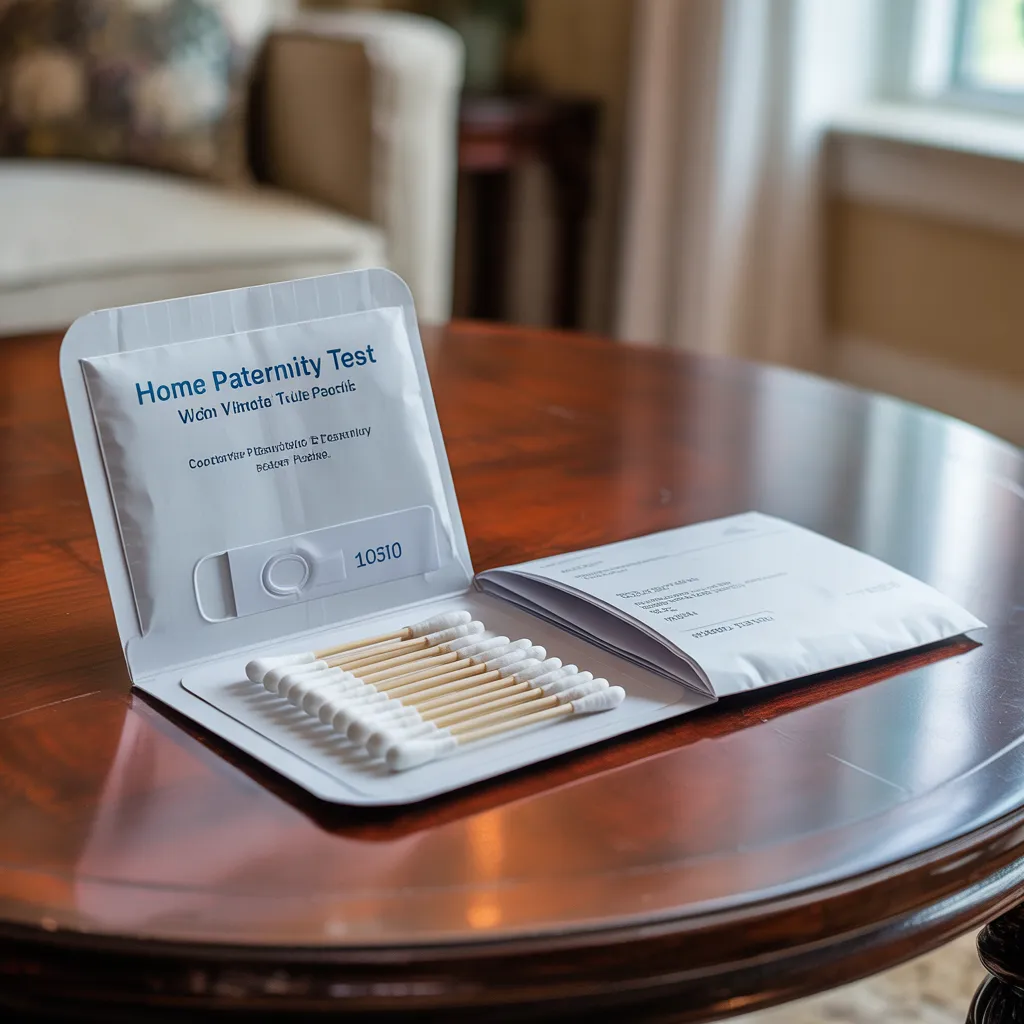
How Do At-Home Paternity Tests Work?
Home paternity tests typically function via a simple procedure centered around collecting genetic material. Participants obtain a testing package equipped with swabs intended for cheek cell collection, generally from the alleged father and the child in question. Users are instructed to gently rub the swabs inside their cheeks in order to collect an adequate amount of genetic material. Following the collection of the samples, the swabs are secured in provided containers and sent to a laboratory for analysis.
In the lab, the DNA is collected and examined to determine distinct genetic characteristics. This analysis compares the DNA patterns of the child and the alleged father to establish biological parentage. Findings are typically ready within a few days, and the procedure is intended to remain user-friendly, guaranteeing little inconvenience. Home testing convenience attracts numerous individuals, allowing individuals to seek answers in the seclusion of their own home. This process underscores the examination's increasing recognition as a dependable choice for paternity verification.
What Is the Accuracy of Home Paternity Tests?
How reliable are home paternity tests when it comes to determining biological relationships? Generally, these tests claim to offer a high accuracy rate, often exceeding 99% when conducted correctly. The process involves analyzing DNA specimens from the presumed father, child, and in some instances the mother, matching genetic markers to determine a relationship. That said, the precision of these tests can be compromised by issues like sample contamination or inadequate handling practices.
Many home tests utilize sophisticated methods similar to those found in professional labs, yet they may fall short of the strict quality control characteristic of professional testing. Furthermore, results can fluctuate between different brands or kits, emphasizing the significance of identifying a reputable provider. While home paternity tests can provide a clear suggestion of genetic connections, individuals should exercise discretion, bearing in mind that serious legal and personal consequences may arise from the findings. Ultimately, for absolute certainty, working with a professional testing facility is strongly encouraged.
What Are the Key Privacy Concerns?
Whereas home paternity tests present a convenient way to establish genetic connections, they also raise serious privacy issues. The acquisition and processing of genetic data, commonly obtained through cheek swabs or saliva samples, may result in unauthorized access or misuse. A large number of firms do not assure the confidentiality of submitted samples, exposing individuals to the risk of privacy violations.
Moreover, the findings may be distributed to third parties without explicit consent, heightening fears of discrimination or discrimination. Consumers may also be unaware of how their genetic information will be retained or potentially used for research purposes.
Additionally, the emotional consequences associated with unforeseen outcomes can complicate the domain of data privacy. On the whole, while these assessments deliver convenience and broad access, the deficiency of rigorous regulations and openness in how data is managed generates important inquiries about the privacy rights of individuals and ownership of their own genomic information.
How Do Test Results Affect Emotions?
The emotional consequences from paternity test results can be significant and extensive. People may experience a whirlwind of feelings, ranging from joy and comfort to resentment and heartbreak. For certain individuals, a positive match can validate longstanding assumptions, fostering a feeling of belonging and stability. Conversely, a negative result may lead to emotions of uncertainty, bewilderment, and grief, particularly if a family relationship is called into question.
These emotions can extend beyond the individual to affect relationships within families. Parents could wrestle with guilt or fear over the implications for their children, while siblings could encounter changes in how they view family relationships. Furthermore, public stigma can worsen these sentiments, as individuals navigate societal expectations surrounding parentage. Ultimately, the psychological impact of paternity test results can vary significantly, highlighting the complex interplay between identity, trust, and emotional well-being.
Essential Factors for Selecting a Home Paternity Test
Working through the emotional landscape after paternity test results frequently causes people to think carefully about their next steps, particularly when choosing a home paternity test. Several key factors require careful thought to secure a dependable and favorable outcome.
As a primary consideration, accuracy is paramount; consumers are advised to select tests offering superior sensitivity and specificity scores. Following this, usability is of great importance; a straightforward collection process can alleviate stress. Confidentiality represents another major consideration; reputable companies should guarantee secure handling of personal data and results.
Pricing is also an important consideration; prospective users should balance the cost against the assessment's reliability and customer support. Finally, user reviews and personal accounts shed light on the experiences of fellow customers, helping individuals work through the various alternatives. Through careful assessment of these elements, individuals can make informed choices that align with their needs and expectations.
Popular Questions We Receive
Are Home Paternity Tests Legally Admissible in Court?
DIY paternity tests are commonly unable to be used as legal evidence in court owing to reliability issues and a lack of consistent testing protocols. Courts typically require analyses carried out by certified laboratories for reliable legal evidence in paternity cases.
How Long Does It Take to Get Home Paternity Test Results?
Home paternity testing results usually take between three to five days to process. A number of companies provide accelerated relevant article processing services, cutting down the waiting period to just 24 hours, subject to the specific method of testing chosen.
Can I Retest if I'm Unsure of Results?
Indeed, users can retest if not confident in the outcome. It is recommended to allow some time to pass before repeating the test to guarantee reliable results. Seeking professional advice can also help determine the right path forward.
What Samples Do You Need for Home Paternity Tests?
Home paternity tests generally need buccal swabs from the child and the alleged father, although certain kits can also accommodate blood samples. Appropriate collection and proper handling of such samples are vital for obtaining reliable results.
Do Age Restrictions Apply When Testing Children?
There are generally no specific age restrictions for testing children with home paternity tests. That said, acquiring approval from a legal guardian is usually mandatory, making certain that the child's rights and privacy are upheld during the entire process.