The Growth of At-Home Paternity Testing: Reliability, Discretion, and Accessibility
The increasing prevalence of residential paternity testing reflects a notable shift in how people navigate paternity confirmation. With precision levels often exceeding 99%, these assessments provide a practical means for gathering genetic samples. However, underlying privacy concerns about genetic data are still widespread. As a growing number of families consider such testing options, they must consider the consequences of privacy, accuracy, and emotional impact. What elements should they focus on in determining the right course of action?
How Do Home Paternity Tests Work?
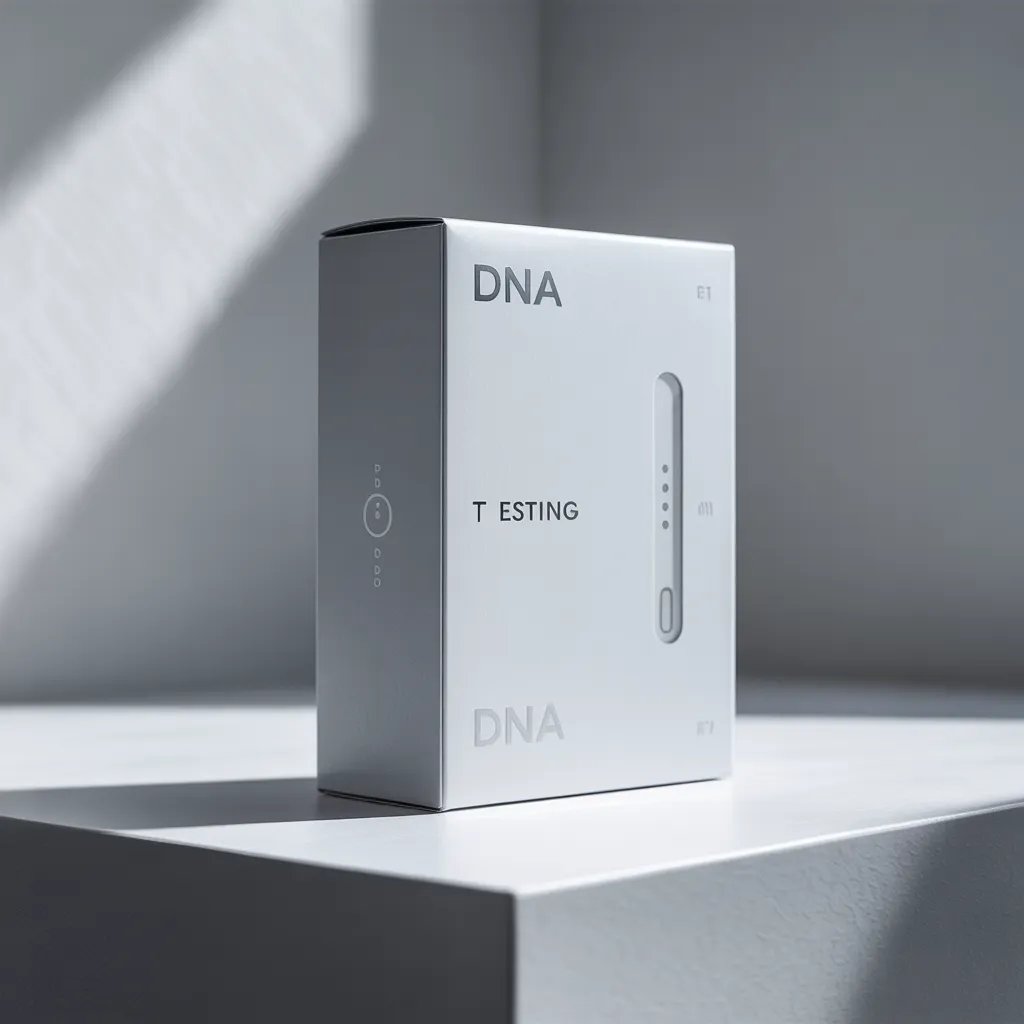
Home paternity tests typically function via useful tips a simple procedure that involves gathering DNA specimens. Individuals receive a testing kit containing swabs designed to gather cheek cell samples, typically from the potential father and child. Participants are advised to softly brush the swabs along the inside of their cheeks so as to obtain enough DNA for testing. Following the collection of the samples, they are placed in designated containers and sent to a laboratory for analysis.
In the lab, the DNA is collected and examined to pinpoint particular genetic indicators. This evaluation matches the DNA samples of the child and the alleged father to establish biological parentage. Results are usually available within a few days, and the method is crafted to be user-friendly, ensuring minimal discomfort. The convenience of home testing appeals to many, permitting individuals to obtain clarity in the comfort of their personal space. This method emphasizes the test's growing popularity as a dependable choice for confirming paternity.
How Reliable Are Home Paternity Tests?
What level of accuracy do home paternity tests provide in establishing biological relationships? In most cases, these tests are reported to deliver a high accuracy rate, commonly exceeding 99% when administered under the right conditions. These tests examine DNA samples collected from the potential father, child, and occasionally the mother, evaluating genetic markers to confirm a biological connection. That said, the precision of these tests can be compromised by issues like sample contamination or inadequate handling practices.
The majority of home tests employ advanced techniques akin to those found in professional labs, yet they may fall short of the strict quality control associated with professional testing. In addition, results can differ between various brands and products, highlighting the necessity of identifying a trusted supplier. While home paternity tests can provide a clear suggestion of genetic connections, individuals should exercise discretion, considering that significant emotional and legal ramifications may stem from the findings. Ultimately, for absolute certainty, working with a professional testing facility is strongly encouraged.
What Are the Key Privacy Concerns?
While home paternity tests offer an accessible means of determining biological relationships, they also raise serious privacy issues. The collection and handling of genetic material, often in the form of oral swabs or saliva specimens, has the potential to cause unauthorized access or misuse. A large number of firms do not assure the privacy of provided specimens, placing individuals at risk of data breaches.
Additionally, the data may be distributed to third parties without clear consent, intensifying fears of stigmatization or discrimination. Users may also be not fully aware of how their genomic data will be stored or potentially utilized for research purposes.
Moreover, the affective dimensions stemming from surprising discoveries can complicate the privacy framework. In summary, while these examinations present ease and accessibility, the absence of strict regulatory oversight and clarity in data management practices prompts critical examination about personal rights regarding data privacy and ownership of their own genomic information.
How Do Test Results Affect Emotions?
The emotional consequences from paternity test results can be significant and extensive. People may experience a whirlwind of reactions, ranging from joy and comfort to resentment and heartbreak. For certain individuals, a positive match can affirm long-held beliefs, fostering a feeling of belonging and stability. On the other hand, a negative result may lead to feelings of doubt, confusion, and heartbreak, particularly if a family relationship is called into question.
These emotions often spread beyond the individual to influence family relationships. Parents may grapple with fear and guilt concerning what this means for their children, while siblings might face shifts in their perceptions of family dynamics. Moreover, social stigma can exacerbate these feelings, as people manage the social pressures related to parenthood. Ultimately, the psychological impact of paternity test results differs considerably, emphasizing the complicated connection between identity, trust, and emotional well-being.
Essential Factors for Selecting a Home Paternity Test
Working through the complex emotions following paternity test results commonly prompts individuals to consider their options thoughtfully, particularly when selecting a home paternity test. Several key factors warrant consideration to ensure a trustworthy and positive outcome.
First, accuracy is paramount; individuals should seek tests with high sensitivity and specificity rates. Additionally, usability is of great importance; a simple gathering process can ease concerns. Personal privacy stands as another important issue; established organizations ought to assure protected processing of private data and findings.
Cost is also a factor; those considering the service should measure the fee against the test's legitimacy and available support. Finally, client feedback and testimonials offer valuable perspectives from previous users, helping individuals work through the various alternatives. By thoroughly considering these aspects, individuals can make informed choices that align with their needs and expectations.
Common Questions and Answers
Can Home Paternity Tests Be Used as Legal Evidence in Court?
Home paternity tests are generally inadmissible in court due to concerns about accuracy and the lack of standardized procedures. Judicial proceedings commonly require analyses carried out by certified laboratories to serve as valid legal evidence in paternity disputes.
How Long Does It Take to Get Home Paternity Test Results?
Results from home paternity tests generally take between three to five days for processing. Some companies offer expedited services, cutting down the waiting period to approximately 24 hours, depending on the specific testing method used.
Can I Take the Test Again if I'm Unclear About My Results?
Yes, users can repeat the test if unsure of their results. It is best to wait a short period before testing again to guarantee reliable results. Consulting a professional can also offer insight into the most appropriate course of action.
What Samples Do You Need for Home Paternity Tests?
Home paternity tests typically require oral swab samples from the child as well as the potential father, though certain kits can also accommodate samples taken from blood. Appropriate collection and proper handling of such samples are vital for obtaining reliable results.
Are There Age Restrictions for Testing Children?
There are typically no particular age limitations when testing children using home paternity tests. Nevertheless, securing consent from a legal guardian is generally necessary, ensuring the child's rights and privacy are respected throughout the process.