The Next Era of Paternity Testing: Breakthroughs in At-Home Kits
The landscape of paternity testing is changing at a remarkable pace, particularly with the rise of home testing kits. Such advancements offer enhanced privacy, convenience, and accessibility. Improved DNA examination and mobile application integration are just around the corner. With changing societal perspectives, more people are looking for answers regarding parentage concerns. This transformation raises important questions about reliability and ethical implications, prompting a closer examination of how these advancements will influence family dynamics moving forward.
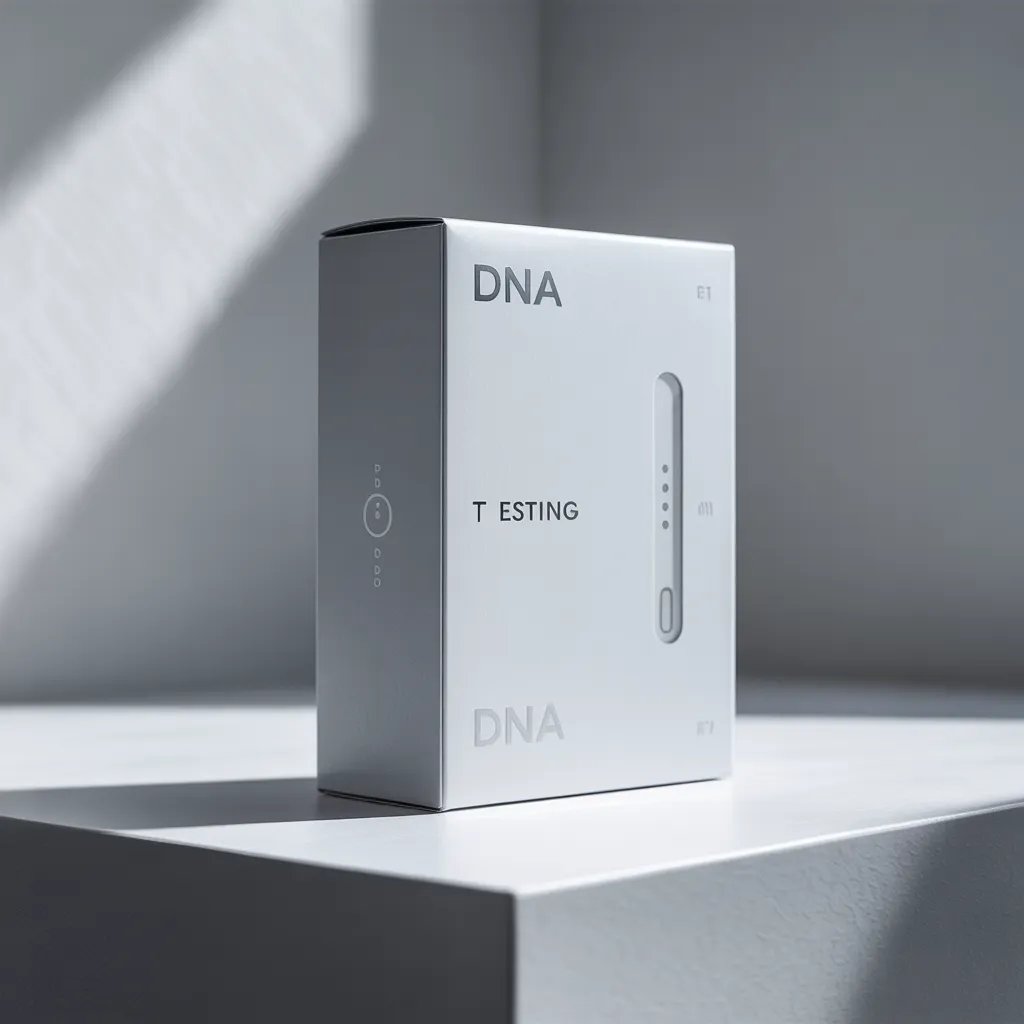
The Increasing Popularity of Home Paternity Testing Kits
The emergence of at-home paternity testing kits has revolutionized the domain of genomic testing, giving individuals a discreet and accessible solution for identifying genetic relationships. Such kits, widely available in stores and online, allow users to gather DNA specimens from their children and themselves without any need for expert guidance. The straightforward nature of the process has broadened access to paternity testing, enabling people to answer questions about parentage in the comfort of their homes.
Advancements in packaging and technological design have improved the reliability and accuracy of findings, often providing insights within a short span of days. Moreover, the accessible pricing of these testing kits has expanded availability to a larger population, diminishing the stigma associated with pursuing these tests. As cultural expectations change, the rise of residential paternity testing solutions signals a rising desire for transparency and personal autonomy in matters of family and identity.
Home Paternity Testing Kits: How to Use Them Step by Step
Numerous people find the process of using residential paternity testing kits simple and easy to use. To begin, they must confirm they possess all necessary components, usually comprising swabs, a collection envelope, and detailed instructions. They are then required to gather DNA specimens, usually through cheek swabs, ensuring the procedure is efficient and complete to prevent contamination.
After this step, they should carefully follow the kit's instructions for securing and labeling the specimens. Accurate labeling is vital for preserving sample integrity. Once the samples are prepared, they should be placed in the provided envelope and sent to the designated laboratory, typically utilizing the pre-paid shipping options provided in the kit.
Following the mailing process, customers usually wait several days to weeks for results, which may be accessible digitally or through personal correspondence with the testing company. Adhering to these steps supports a hassle-free experience with residential paternity testing kits, facilitating dependable findings in a convenient setting.
How Dependable Are At-Home Paternity Tests?
How dependable are home-based paternity tests? The dependability of these tests primarily depends on the quality of the testing kit and the precision of the sample collection method. Leading home paternity test brands advertise accuracy rates above 99%, given that the directions are precisely followed. Nevertheless, certain factors, including sample contamination or incorrect handling, may influence the outcomes.
In addition, while several kits leverage advanced DNA examination technologies, not all are created equal. Consumers should look for tests that are accredited by recognized laboratories, verifying thorough standards in testing and validation.
It should be noted that although home tests provide convenience and privacy, they might not be accepted in legal proceedings. As a result, people who need authoritative answers for legal reasons should opt for professional testing. In general, home paternity tests can be reliable, but users must approach them with caution and view this discernment.
Exploring Legal and Ethical Considerations in Home Paternity Testing
At-home paternity tests, though offering convenience and privacy, introduce important legal and ethical challenges that consumers need to be aware of. One major concern is the risk of improper use, such as fraudulent claims or disagreements related to custody arrangements and child support. The reliability of test outcomes can also impact legal proceedings, as courts may not recognize residential test findings without proper validation.
On an ethical level, users face dilemmas surrounding consent, most notably when underage individuals are concerned. Conducting tests without obtaining consent from all parties involved can lead to strained relationships and emotional distress. Additionally, the mental and emotional impact of discovering unforeseen parentage can be far-reaching, influencing family relationships and personal identities.
In addition, the lack of regulatory control in the residential testing market creates uncertainty regarding the reliability of the data presented. Users must be diligent, ensuring they are aware of the impact of the results and the potential impact on their lives and relationships.
How Accessible Testing Is Influencing Family Relationships
Reshaping family dynamics, easy access to paternity testing has shifted the way individuals navigate parentage and relationships. With residential testing kits widely accessible, individuals can now find clarity on questions about genetic relationships without the lengthy processes traditionally associated with such investigations. This availability promotes transparency in familial relationships, encouraging honest dialogue about parentage.
Consequently, the stigma linked to paternity doubts fades, enabling families to tackle concerns that may have been hidden for a long time. The chance to confirm parentage can create stronger relationships among family members, as ambiguities are addressed. However, this accessibility of testing also introduces new obstacles; surprising outcomes can destabilize formerly secure relationships. As families manage these complications, the interplay between information and psychological effects becomes critical. Ultimately, easy testing is transforming conversations about self-identity, reliance, and inclusion, fostering an evolving context in family dynamics.
Frequently Asked Questions
Are Home Paternity Test Results Admissible in Court?
Home-based paternity tests are commonly rejected in court because of concerns about chain of custody and accuracy. Legal cases generally require testing performed by accredited laboratories to establish adherence to standards and reliability.
Is Paternity Testing Available for Pets?
Pets are able to undergo paternity testing through DNA analysis, which identifies genetic ties. These tests analyze specific markers to confirm lineage, offering valuable information for breeders and pet owners regarding ancestry and health considerations.
What Is the Price Range for Home Kits?
Paternity testing kits for home use usually fall between $100 and $300, depending on the specific brand and testing complexity. Prices may vary according to extra features, such as rush results or supplementary sample collection choices.
How Long Do Results Take to Receive?
Results from home paternity testing kits typically take from several days up to two weeks. Turnaround times can be affected by the speed of laboratory processing and the reliability of the mail service chosen for submitting samples.
Do Age Restrictions Apply to Testing?
Age-related requirements for paternity testing generally vary based on the provider's guidelines. Typically, those under the age of majority may need parental approval, while adults can proceed without limitations. It's essential to check specific guidelines for each testing service.