Essential Guidelines for Designing Your Birth Plan With a Doula
Formulating a maternity plan in partnership with a labor coach is a significant step for expectant parents. It enables them to voice their preferences and prepare themselves for various scenarios. Effective communication and teamwork are key to ensuring that the plan reflects their objectives. By comprehending the important points of a birth plan, parents can traverse the intricacies of labor with assurance. What are the fundamental facets that should not be disregarded?
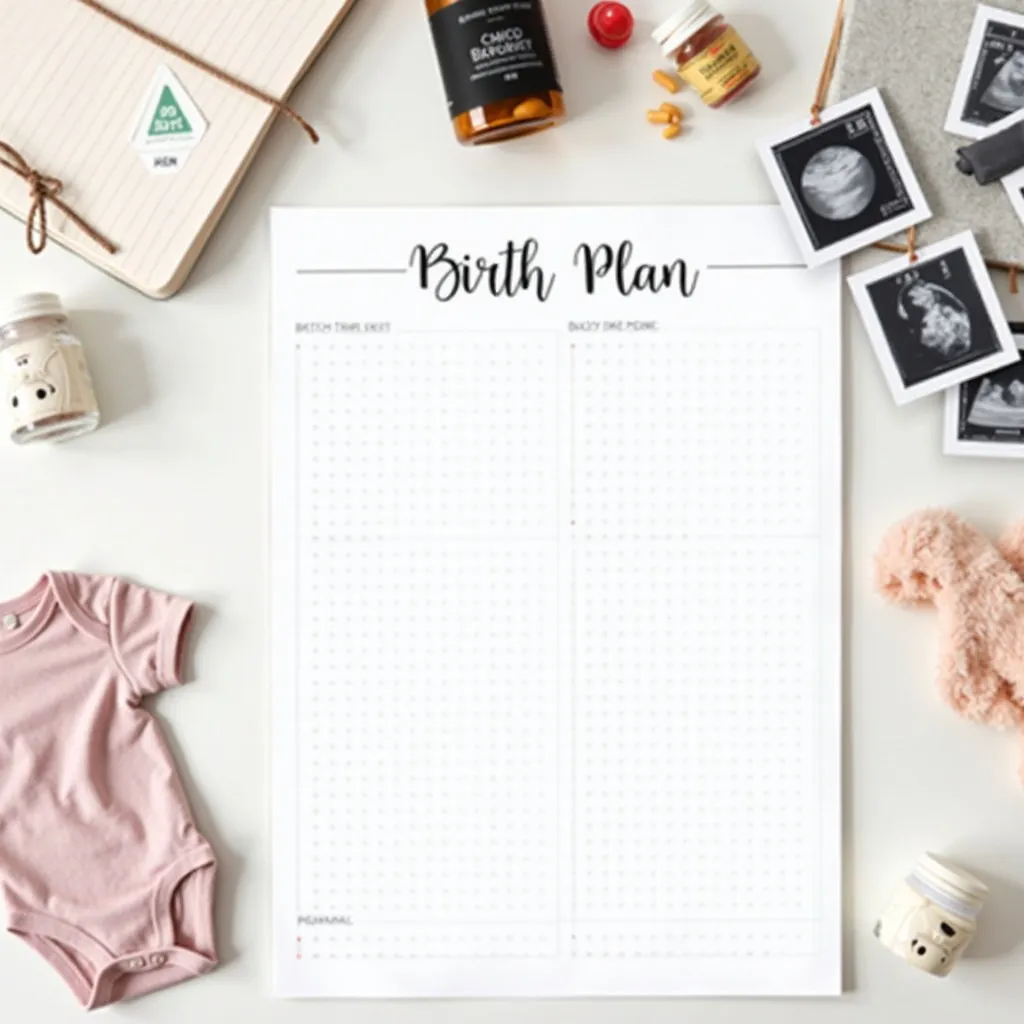
Why a Doula Is Critical for Your Childbirth Plan
Although many prospective mothers and fathers might view their birth plan a basic list, the inclusion of a doula can convert this document into a thorough guide for a favorable birthing experience. Doulas provide psychological and bodily assistance, helping parents articulate their preferences and manage the complexities of labor. Their expertise can enhance communication between the birthing team and the parents, ensuring that everyone is aligned with the birth plan.
The presence of a doula can ease anxiety, offering reassurance and comfort throughout labor. Additionally, they empower parents with evidence-based information, which enables informed decision-making. Moreover, doulas assist in pain management approaches and cultivate a supportive environment that may improve outcomes. Expectant parents can design a more personalized and supportive birth plan by involving a doula, fostering a positive atmosphere that emphasizes emotional and physical well-being of the birthing individual.
Key Components of a Birth Plan
A well-structured birth plan serves as an important roadmap for parents-to-be, presenting their wishes and expectations for childbirth. It should commence with the essentials, including the birthplace, whether it be a hospital, birthing center, or home. Expectant parents should reflect on their preferred support group, indicating who will be there during labor and delivery.
Moreover, the birth plan needs to cover pain management techniques, including medication choices or alternative methods such as breathing methods and hydrotherapy. Additionally, it is important to convey preferences about interventions, like episiotomy or the use of forceps.
Parents ought to contemplate immediate post-birth wishes, including skin-to-skin contact and breastfeeding intentions. Finally, the plan should be open to change, noting that circumstances can change during labor. Partnering with a doula can help confirm that the birth plan reflects the family's values while remaining adaptable to the unfolding experience.
Key Considerations to Think About for Your Childbirth Strategy
What considerations should parents-to-be focus on when formulating their birth plan? First and foremost, recognizing their preferences about pain management is critical. They should evaluate options such as epidurals, natural methods, or a combination. Also, the environment where the birth will take place—hospital, birthing center, or home—should fit with their comfort levels and values.
One more critical element is the importance of support people throughout labor, comprising partners, family, and doulas. Parents should explore how they foresee these individuals contributing to the birthing experience.
In addition, parents should examine their preferences for interventions, such as the use of induction, continuous monitoring, or operative delivery. Finally, it's imperative to deliberate on newborn care arrangements, including kangaroo care and breast or bottle decisions. By placing emphasis on these considerations, expectant parents can draft a comprehensive birth plan that embodies their values and expectations.
Clearly Communicating Your Preferences
Communicating desires clearly is vital for expectant parents preparing their birth plan. Explicit expression of goals helps ensure that all parties involved—medical staff, partners, and doulas—grasp the parents' intentions for the birthing experience. Parents can start by detailing their main concerns, such as pain relief options, labor positions, and immediate post-birth procedures. Using straightforward language and eliminating vague terms can better enhance understanding.
Visual components or written documents may facilitate in conveying key preferences tersely. Parents should also reflect on deliberating their choices in a serene and poised manner, nurturing an environment of collaboration and respect. It is important to note that adaptability may be necessary, as circumstances can transform during labor. By developing clear communication from the start, expectant parents can create a affirming environment that honors their wishes while proving open to the dynamic nature of childbirth.
Communicating About Your Inclinations and Scenarios With Your Doula
How can expectant parents confirm their preferences are fully understood by their birth attendant? Clear communication is vital. Parents should schedule reserved periods to address their birth preferences, ensuring a complete comprehension of their desires analysis and concerns. This conversation should include various scenarios, including approaches to pain relief, labor positions, and immediate postpartum care.
Furthermore, parents are able to prepare a written document describing their preferences, which functions as a reference for both the doula and the medical team. This document should be versatile, allowing for adjustments as circumstances evolve during labor.
Engaging in different scenarios can be advantageous; it enables parents express their needs while preparing for unforeseen circumstances. In the end, regular check-ins with the doula throughout the pregnancy can reinforce understanding, building a supportive partnership that emphasizes the parents' vision for their birth experience. Open dialogue lays the foundation for a positive and empowering birth journey.
Regularly Posed Questions
Is a Doula Beneficial for Postpartum Support?
A doula can deliver meaningful postpartum aid, supplying emotional comfort, hands-on assistance, and resources for new parents. Their support helps navigate the challenges of early parenthood, encouraging a smoother progression into family life.
How Do I Choose the Right Doula for Me?
To choose the ideal doula, one should consider qualifications, experience, compatibility, and personal philosophy. Interviews and references are crucial to ensure a good match, as comfort and trust play critical roles in the birthing experience.
What if My Birthing Plan Modifications Occur Out of the Blue?
Should a birth plan shift suddenly, adaptability becomes important. Accepting adaptability permits parents to handle unforeseen circumstances, ensuring they remain knowledgeable and backed by their doula, who can provide comfort and support throughout the journey.
Are Doulas trained in Medical Procedures?
Doulas have not undergone training in medical procedures; their role emphasizes affective and physical assistance through labor. They provide comfort measures, knowledge, and support, promoting a constructive delivery experience while working in tandem with medical professionals.
What is the typical prices for a doula?
A doula typically costs between $800 and $2,500, based on factors such as experience, location, and services offered. This expense often comprises prenatal meetings, ongoing labor assistance, and postpartum assistance, enhancing the birthing experience.