Discover the Advantages of Massage Treatment: Your Path to Tranquility and Health
Massage therapy offers a thorough approach to enhancing well-being. It facilitates vascular flow and mitigates stress, building both physical and emotional health. Assorted practices align with individual specifications, making it essential to understand their separate merits. As individuals contemplate incorporating massage into their wellness routines, inquiries develop about ideal determinations and desired outcomes. What comprehension can be culled from probing these aspects further?
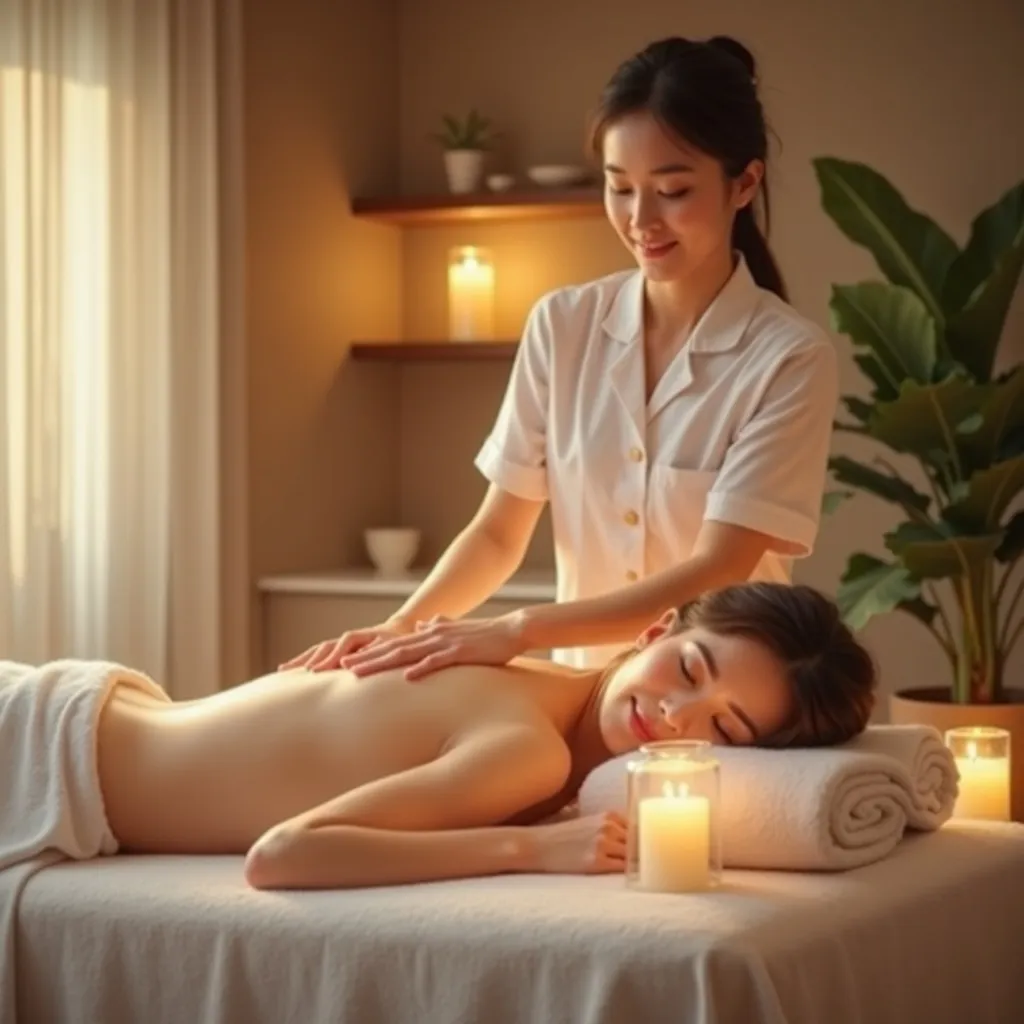
The Research Behind Massage Therapy Advantages
What contributes to massage therapy being so potent in promoting well-being? The research underpinning this practice rests on its ability to regulate the body's physical and mental states. Massage therapy increases circulatory flow, enhancing the movement of oxygen and vital nutrients to tissues while supporting the clearance of waste products. This boosted circulation can enable faster recovery from injuries and reduced muscle tightness. Moreover, the manual contact inherent in massage promotes the discharge of endorphins, the body's pain-relieving substances, cultivating a sense of serenity and relaxation.
Furthermore, studies demonstrate that massage therapy can impact the autonomic nervous system, moving it from a state of stress to one of relaxation. This equilibrium helps control heart rate and blood pressure, contributing to overall health. By tackling both physical and emotional aspects, massage therapy serves as a comprehensive method to improving wellness, making it a important tool in health management.
Why Therapeutic Massage Alleviates Strain and Anxiety
Massage therapy is recognized for facilitating an heightened state of relaxation, which can significantly reduce stress and anxiety. Research indicates that it effectively lowers cortisol levels, contributing to a calmer state of mind. Additionally, the practice encourages improved mood regulation, further supporting emotional well-being.
Improved Peaceful Condition
The gentle touch of skilled hands can induce a profound relaxation response, successfully reducing tension and anxiety. Massage treatment promotes the release of muscular tension, enhancing an overall sense of calm. This bodily release helps people feel more grounded, enabling their minds to achieve a peaceful state. Clients often report experiencing a significant decrease in racing thoughts and mental clutter during and after a session. Moreover, the rhythmic nature of massage can evoke a meditative state, enhancing emotional well-being. During relaxation, the body causes the heart rate to slow, and breathing to become deeper and more regular. This thorough relaxation response not only fosters immediate relief but also contributes to long-term improvements in stress management and overall mental health.
Lowered Cortisol Levels
While many pursue relaxation through various methods, research shows that massage therapy significantly reduces cortisol levels, a main stress hormone. High cortisol is often linked to chronic stress, which can result in multiple health problems, including anxiety and depression. Studies show that consistent therapeutic massage can considerably reduce these cortisol levels, promoting a state of calm and well-being. This reduction not only alleviates immediate stress responses but also contributes to long-term health benefits. By lowering cortisol, therapeutic massage can help individuals manage their stress more successfully, enhancing their overall quality of life. In addition, lower cortisol levels may enhance sleep and boost immune function, take the first step establishing a holistic approach to wellness and relaxation.
Better Mood Control
Although numerous factors contribute to emotional well-being, research emphasizes that massage therapy plays a significant role in improving emotional balance by lowering stress and anxiety. The physiological effects of massage, such as enhanced circulation and muscle relaxation, promote a sense of calm. Studies have shown that regular sessions can lead to lower levels of cortisol, the stress hormone, while simultaneously boosting the neurotransmitters serotonin and dopamine, neurotransmitters associated with happiness and relaxation. Clients often report a reduction in anxiety and depression symptoms after treatment, which can enhance overall emotional resilience. By addressing both physical and emotional tension, massage therapy is an effective method for individuals seeking to improve their mental health and achieve a balanced mood.
Discovering Massage Therapy Techniques and Their Benefits
Massage therapy incorporates a range of techniques, each created to address specific physical and affective requirements. An assessment of these methods indicates considerable health benefits, extending from increased ease to enhanced circulation. Learning the distinct techniques can help people pick the most effective strategy for their wellness progression.
Different Kinds Of Massage Techniques
The expansive world of massage therapy integrates a variety of techniques, each tailored to address specific requirements and desires. Swedish massage is among the most popular modalities, stressing on extended, graceful strokes to promote ease. Deep tissue massage reaches deeper into tissue layers to mitigate chronic tightness. Sports massage targets athletes, enhancing performance and aiding recovery through precision techniques. Shiatsu, a Japanese method, uses finger pressure on specific areas to equilibrate energy flow. Meanwhile, aromatherapy massage combines essential oils with gentle methods to enhance relaxation and emotional well-being. Finally, prenatal massage is intended for expectant mothers, imparting ease and assistance from pregnancy-related discomfort. Each modality offers remarkable experiences and can cater to targeted wellness goals.
Wellness Benefits Overview
Looking into the many health benefits of massage therapy emphasizes its deep impact on physical and mental well-being. Research shows that massage can ease pain, diminish muscle tension, and improve circulation, supporting more rapid recovery from injuries. Also, it boosts flexibility and range of motion, necessary for supporting an active lifestyle. Mentally, massage therapy is known to lessen stress and anxiety, supporting improved mood and mental clarity. Moreover, it enhances better sleep quality, permitting restorative rest. Frequent sessions can help foster a more balanced mind and body, emphasizing the importance of integrating massage therapy into overall wellness practices. Therefore, the benefits of massage therapy extend well beyond simple relaxation.
How to Pick the Ideal Massage for Your Goals
How can someone determine the most suitable massage type to correspond with personal wellness goals? First, it is essential to identify specific needs, such as relaxation, pain relief, or improved mobility. For stress reduction, Swedish massage may be ideal, stressing gentle techniques that promote relaxation. Conversely, for muscle tension or chronic pain, deep tissue massage targets deeper layers of muscle and connective tissue.
Athletes seeking improved athletic performance may derive benefits from sports massage, which focuses on advancing flexibility and reducing the risk of injury. In addition, those interested in natural approaches could explore aromatherapy massages, utilizing essential oils for enhanced relaxation and mood improvement.
Speaking with a licensed massage therapist can supply helpful information into which techniques are ideal for personal objectives. By comprehending the various types of bodywork and their positive effects, persons can create educated decisions that closely match with their fitness aspirations.
Make Massage Therapy Part of Your Wellness Routine
Adding massage therapy to your health regimen can significantly improve overall health. Regular sessions can reduce anxiety, decrease muscular tightness, and improve circulation, contributing to a more balanced lifestyle. By dedicating moments for massage therapy, individuals create a dedicated space for rest and personal wellness, which can be particularly beneficial in today's fast-paced world.
Creating a regular schedule, whether every week or biweekly, allows the body to gain compounding benefits. This routine not only aids preserve physical health but also fosters cognitive clarity and psychological stability. Additionally, incorporating various types of bodywork—such as Swedish, deep tissue, or aromatherapy—can cater to specific requirements and preferences, enhancing the overall experience
In the end, making massage therapy part of a health program empowers people to focus on their well-being, resulting in improved quality of life and a stronger awareness of their physical requirements.
What to Anticipate During Your Introductory Massage Encounter
After defining massage therapy as an essential part of a health routine, people may be curious about what their initial session will involve. Generally, the experience commences with a brief consultation where the therapist examines the client's medical history, preferences, and specific areas of concern. This dialogue ensures a tailored approach customized to individual needs.
Once settled, clients are taken to a individual room and told to undress to their level of comfort, often under a covering or towel for confidentiality. The specialist will demonstrate methods, explaining the process and addressing any concerns. Opening touches may seem unfamiliar, but the specialist will adjust pressure according to feedback.
During the session, relaxation receives priority, and clients are motivated to share any discomfort. Following the massage, clients frequently acquire post-massage instructions, including hydration suggestions and suggested stretching routines. In general, the initial session creates the basis for a therapeutic relationship devoted to wellness.
Common Inquired Queries
How Regular Should My Massage Schedule Be for Best Results?
For excellent benefits, people should consider receiving a massage therapy every four to six weeks. However, regularity may differ based on personal needs, stress levels, and particular medical concerns requiring tailored treatment for optimal outcomes.
Can Therapeutic Massage Help With Specific Medical Conditions?
Massage therapy helps with controlling specific health issues, such as chronic pain, anxiety, and muscle tension. Its curative effects may support conventional treatments, promoting general well-being and facilitating recovery for various medical issues.
What Ought I Don During a Massage Visit?
Throughout a massage session, clients typically don loose, comfortable clothing or may choose to undress to their level of comfort. Therapists offer draping for discretion, ensuring peace of mind while upholding professionalism throughout the experience.
Do Massage Treatment Have Any Side Effects?
Massage therapy can cause mild side effects, including temporary soreness, bruising, or tiredness. People with specific health issues may encounter more significant reactions, so consulting a healthcare professional in advance is recommended for personalized guidance.
How Can I Identify a Skilled Massage Therapist?
To find a competent massage therapist, individuals should seek referrals from trusted contacts, verify credentials, review online feedback, and confirm certifications. Consultation prior to booking can also help assess suitability and knowledge.